

FC Bayern frequently sends promising young talents out on loan but keeps a close eye on their development. There is a buyback option for several players.
Maurice Krattenmacher is currently making waves at SV Elversberg. The 21-year-old has already scored three goals in the first three Bundesliga matchdays and, most recently, scored a spectacular equalizer—ironically, in the 1-2 loss to his former club.
FC Bayern is likely keeping a particularly close eye on the attacking player’s development. After all, despite his permanent transfer last summer, the Munich club hasn’t completely let go of Krattenmacher. A buyback option was agreed upon when he was sold for around two million euros.
Krattenmacher is by no means an isolated case. FC Bayern is now increasingly pursuing a strategy with young players that is intended to benefit both sides: The young talents get the playing time they need elsewhere, while the Munich club keeps the door open for a potential return later on.
Options for Wanner, Krätzig, and Kusi-Asare
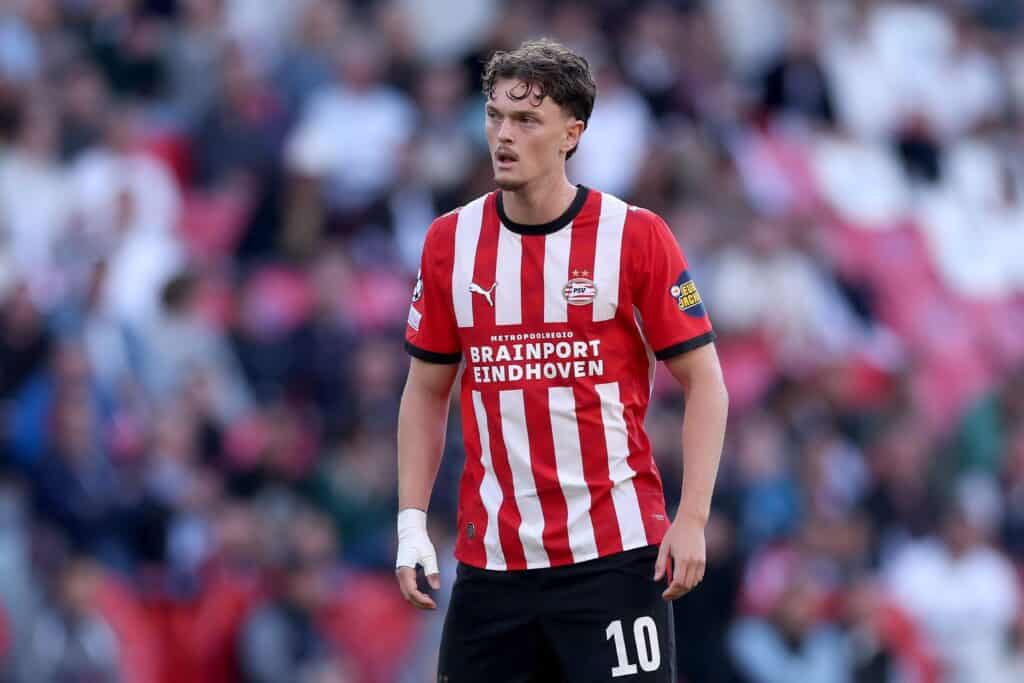
The most prominent example besides Krattenmacher is Paul Wanner. The midfielder transferred to PSV Eindhoven in the summer of 2025 for a fixed transfer fee of 15 million euros and has continued to develop strongly there. Transfermarkt now estimates his market value at 22 million euros. According to media reports, Bayern can bring Wanner back for around 30 million euros.
A similar agreement is said to exist for Frans Krätzig as well. The left back left Munich in 2025 to join RB Salzburg. Despite the permanent transfer, Bayern reportedly reserved the right to bring Krätzig back at a later date.
The situation is similar with Jonah Kusi-Asare. The forward was initially loaned to Fulham FC before the English club signed him permanently last summer for around 6 million euros. A buyback option is also reportedly part of the deal. However, the exact amount of that option remains unknown.


The situation is slightly different for Felipe Chavez. The 19-year-old initially joined 1. FC Magdeburg on loan at the end of August. The second-division club holds an option to buy the attacking player. Should they exercise this option, Bayern could in turn make use of an agreed buyback option.
Not all of these clauses are valid indefinitely. In the cases of Malik Tillman and Nestory Irankunda, Bayern also had options to bring them back, but those have since expired.
This model gives FC Bayern additional flexibility in its youth development efforts. Not every young talent can immediately get enough playing time with the first team. Sales generate revenue while simultaneously creating opportunities for development—without relinquishing all control, even in particularly positive scenarios such as the current one with Krattenmacher.