

FC Bayern dropped two points in the Bundesliga classic against Borussia Dortmund on Matchday 8. FCBinside offers three takeaways from the game.
FC Bayern could have pulled away at the top of the standings in their head-to-head matchup with Borussia Dortmund. Instead, following the 2-2 draw, they’ve lost two points and face new concerns. Here are three takeaways from the classic.
1. Bayern must stop squandering chances
Harry Kane showed off his Ballon d’Or before kickoff, but the striker had little reason to celebrate during the game. His handball penalty hit the crossbar, and he lost possession just before Dortmund’s first equalizer. Even his header assist on Dayot Upamecano’s goal—which made it 2-1 at one point—could only partially salvage the evening.
Kane’s missed penalty was the most glaring example of a larger problem for Bayern that evening. The Munich side created six clear-cut chances and recorded an expected goals (xG) value of 4.18. Dortmund managed only 0.63. Nevertheless, both teams scored two goals each.
Michael Olise and Karl also hit the woodwork. However, bad luck alone cannot explain the result. Of Bayern’s 23 shots, only five were on target. The record champions got into dangerous positions often enough but made too little of them.
The missed opportunity to extend the lead to 2-0 after halftime proved particularly costly. Instead of forcing Dortmund to take greater risks, Bayern kept their opponents in the game. Even after regaining the lead, they failed to seal the victory or secure their advantage.
So the top-of-the-table clash ends in a draw—one that feels like a missed opportunity for Bayern.


2. Injury woes are becoming a real threat
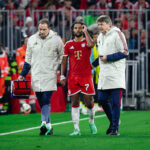
The absences are now visibly altering the team’s lineup. Following the early injuries to Ismael Saibari and Serge Gnabry, Aaron Danks was forced to improvise even before halftime. Nathaniel Brown took over the number 10 position, Alphonso Davies moved up into the attack, and Josip Stanisic filled in on the left side of defense.
In the process, the team lost some of its attacking quality. Brown barely got into the game in the center, and Davies posed little goal threat despite his effort. Neither player was able to fully fill the roles of the absent attackers.
The fact that Olise also had to be substituted due to injury in the closing stages significantly compounds the concerns. Jamal Musiala and Luis Díaz are already out. If the attacking trio that started against Dortmund is also sidelined, only Kane and Karl would remain out of the seven established attackers.
Final diagnoses are still pending. However, initial assessments for Saibari and Gnabry pointed to more serious injuries. Saibari left the arena on crutches. Regarding Olise, Max Eberl expressed cautious optimism, but there was no definitive all-clear just yet.
Atlético Madrid awaits as early as Tuesday. This makes every decision even more difficult for Danks: Who can he field in which position, what substitutions does he have left, and who can he even afford to rest?
Bayern remain undefeated. But every additional absence increases the burden on the remaining key players. On top of that, their tactical options are dwindling.
3. The Bayern definitely don’t need any Karl-related drama right now
Of all times, a public dispute has erupted over one of the remaining offensive players. Uli Hoeneß is demanding more “humility” from Lennart Karl and has announced a “serious conversation.” Eberl speaks of a “slump” in performance and “one or two missteps.” Michael Ballack, on the other hand, defends his client and criticizes Bayern’s management.
Yet Karl’s on-field development can be explained quite clearly. After his breakthrough, injuries slowed him down, and he missed the World Cup. So far this season, he has recorded three points in twelve appearances. Most recently, his performance against Freiburg and Magdeburg has at least started to trend upward again.
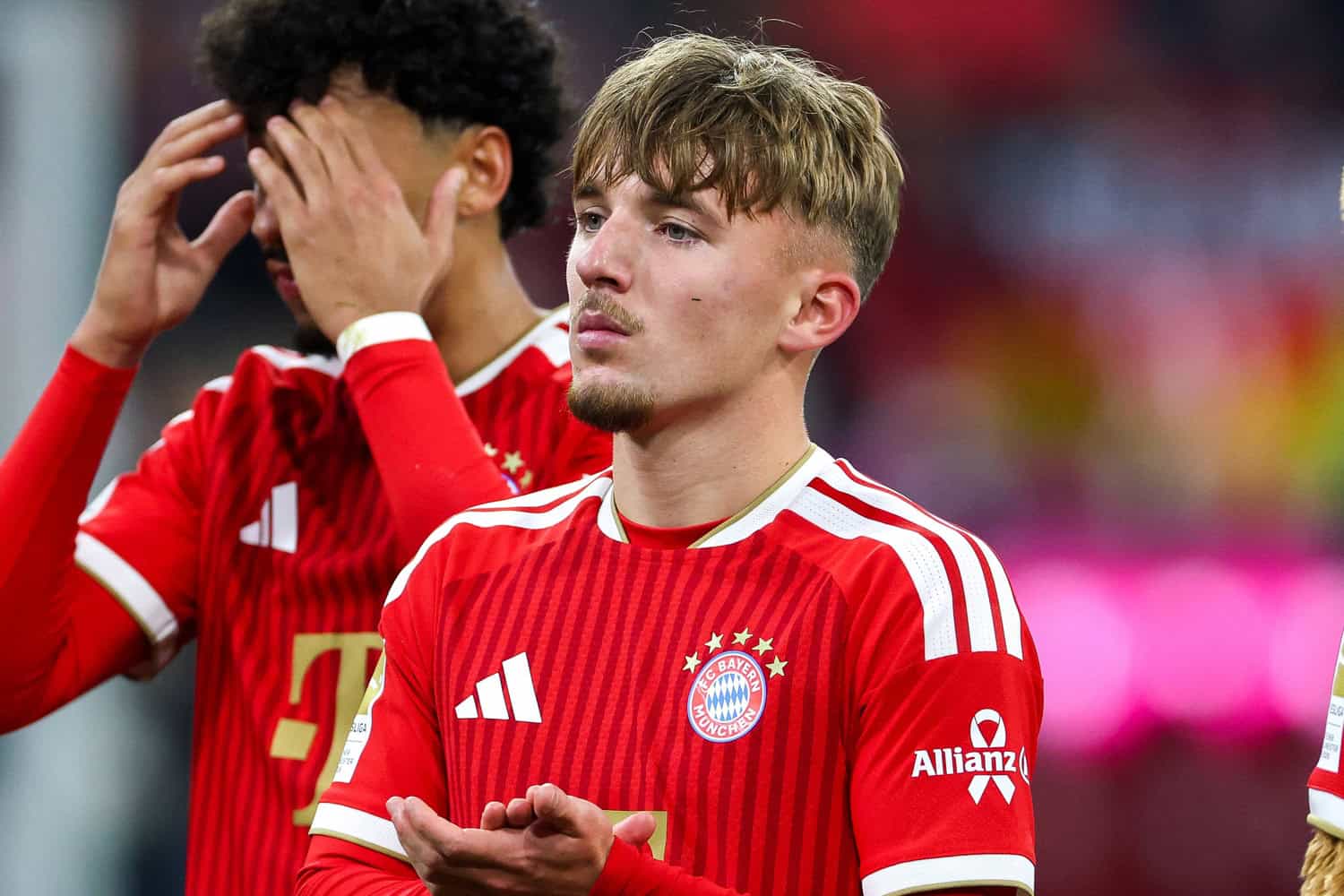
These public statements are now turning this difficult phase into a debate in which performance, demeanor, and expectations regarding his personality are all intertwined. For Karl, this means additional attention, while he needs to regain his confidence on the field.
Ballack’s dual role is exacerbating the controversy. As an advisor, he wants to protect Karl. At the same time, as a TV analyst for DAZN, he evaluates the club’s performance. This overlap creates potential for conflict and has been publicly questioned by Eberl.
But this is the last thing Bayern needs right now: On the field, Karl is needed more than ever. Against Dortmund, he didn’t enter the game until the 85th minute, but his shot off the crossbar in stoppage time nearly secured the victory.
Due to injuries, he could see more playing time as early as the match in Madrid. This makes it all the more important to calm the public dispute and, by showing him more support, give him the chance to be recognized once again for his performance on the field.