

Joshua Kimmich is once again in the spotlight. The debate surrounding his role on the national team has been reignited.
The reason: With him in the lineup, the team earned one point in two Nations League matches; without him, they earned four points in the two subsequent matches. And the team’s play was even more fluid.
Critics’ accusations are varied. They say Kimmich slows the game down and passes sideways too often. Furthermore, some fans and experts agree that he isn’t a natural leader and doesn’t rise to the occasion in decisive moments.
Kimmich: Is he, too, a victim of perception?
The debate surrounding Kimmich is, above all, absurd to national team coach Jürgen Klopp. The Bayern star remains a key player and remains important to the DFB—and quite rightly so. He has a wide range of skills; he can make the decisive pass and occasionally takes good set pieces.
It’s in the nature of things that he wants to control the game and dictate the pace. That’s just what playmakers do. Curiously, players like Toni Kroos—one of the best passers of all time—have also been accused of playing the ball sideways too often and slowing down the game.
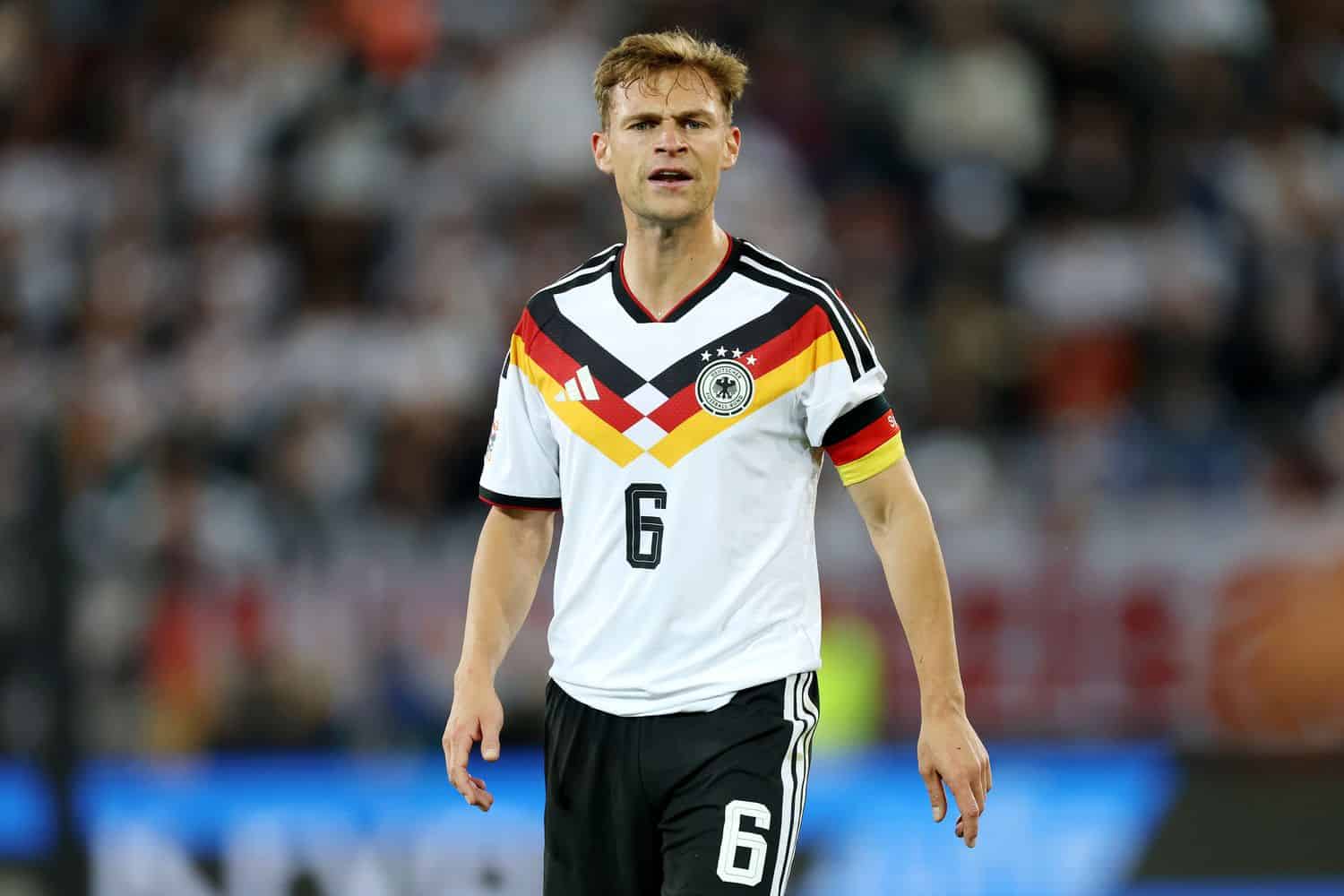
But that’s not the player’s fault—it’s a misperception. Kroos suffered from this misconception, and the same is true for Kimmich. Fans think the game slows down once a playmaker like Kroos or Kimmich gets the ball.
In reality, it’s the other way around: When the game slows down because the opponent is sitting back defensively, the playmakers get the ball to regain control.



Why playmakers like Kimmich are so important
There are good reasons to discuss the Bayern star—his accuracy on set pieces is an issue, as is, at times, his somewhat too casual approach with the ball and with his back to the field in his own defensive third. However, it’s not true that he slows the game down.
If the opponent sits deep, you automatically have to build up play from your own defensive third while outnumbered. That’s a disadvantage and also risky. The opponent ensures that no pace can develop, so patience with the ball is required. In this situation, it’s only natural that lateral passes are the method of choice until spaces open up and runs into the box create a passing option.
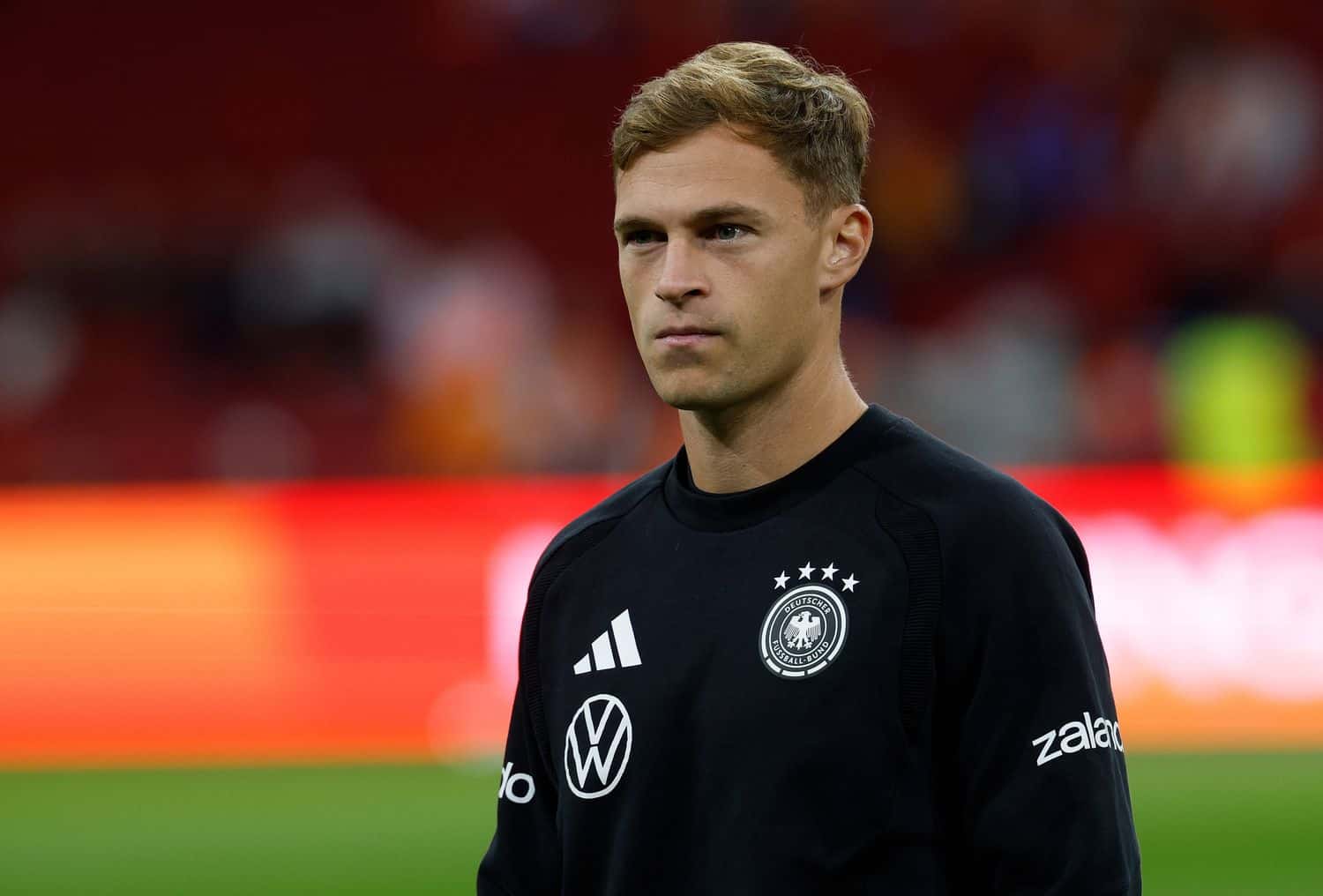
It’s equally natural that players like Kimmich are frequently involved in such phases of play because they’re secure on the ball. In this case, however, fans draw a connection that is based on a false conclusion. You wouldn’t accuse a one-on-one player on the wing of dribbling himself into a corner too often compared to a center back.
For the reasons mentioned, it’s clearly too early to start writing Kimmich off. His role can certainly be debated, but that discussion needs to take place on a different level.