

The discussions surrounding Jamal Musiala at FC Bayern show no signs of letting up. After Uli Hoeneß recently spoke publicly about the star forward’s health and his lucrative contract, criticism of the honorary president is mounting. Now, SPORT1 chief reporter Stefan Kumberger is asking a controversial question: Why is Musiala’s salary being discussed, while Manuel Neuer is spared such a debate?
Both Bayern stars are among the top earners at Germany’s record-holding champions and have repeatedly struggled with health issues in the recent past. Yet so far, only Musiala’s contract has been the focus of public discussion.
In the latest episode of the SPORT1 podcast “Die Bayern-Woche,” Kumberger therefore questions the different treatment of the two key players. His concern is less about an actual pay cut and more about the club’s fundamental stance toward injured players.
“Why not reduce Manuel Neuer’s salary?”
“Why don’t they cut Manuel Neuer’s salary?” Kumberger asks in the podcast, adding: “He’s constantly injured, too. Uli Hoeneß isn’t giving him a hard time.”
The SPORT1 reporter makes it clear that injuries and illnesses are inherently part of the risk associated with long-term player contracts. “Injuries, including neurological problems and illnesses, are part of the risk for both sides in a contract like this,” Kumberger emphasizes.
Musiala had extended his contract in February 2025 through 2030, thereby becoming one of FC Bayern’s highest-paid players. It wasn’t until Harry Kane’s recent contract extension that the national team player was surpassed in the club’s internal salary hierarchy.
Hoeneß had recently expressed doubts as to whether Musiala would be able to permanently return to his former level of performance following his health issues. At the same time, the Bayern chairman pointed out that the 23-year-old continues to receive his full salary.



No comparable public statements have been made so far regarding Manuel Neuer, who is currently sidelined again due to injury.
Kumberger explains Hoeneß’s way of thinking
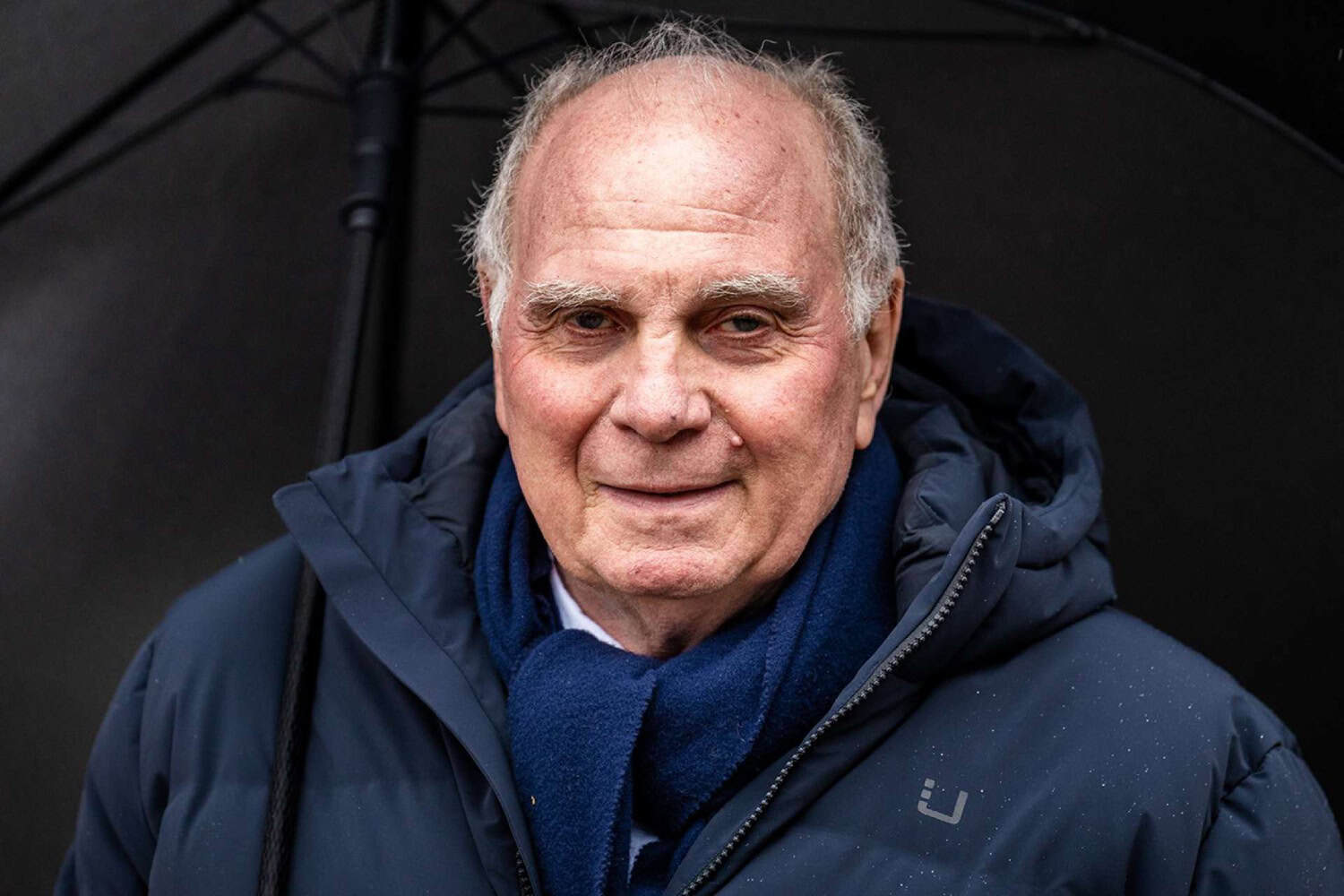
For Kumberger, this difference in approach could also be linked to the personal attitude of Bayern’s honorary president.
Hoeneß had already placed great emphasis on performance-based compensation during his own playing career. When the then-Bayern pro struggled with severe knee problems in the 1970s, he opted for a contract that was heavily performance-based.
“Uli Hoeneß is someone who thinks in terms of performance and was also hard on himself,” explains Kumberger.
While this attitude may explain why the 74-year-old views Musiala’s contract critically, it remains unclear why comparable standards are apparently not publicly applied to other players.
“Pulling on the grass doesn’t make it grow any faster.”
Kumberger is particularly critical of the timing and impact of Hoeneß’s statements. The honorary president is known for challenging players with public remarks in an effort to coax out additional performance.
In Musiala’s case, however, the SPORT1 reporter considers this approach to be largely counterproductive. “Pulling on the grass doesn’t make it grow any faster,” Kumberger clarifies.
In his view, the remarks could give the impression that Musiala isn’t doing enough to facilitate his return. Yet the attacking player himself is likely very keen to regain his usual level of performance as quickly as possible.
Public criticism of Hoeneß is thus continuing to mount. Most recently, former Bayern CEO Oliver Kahn had already questioned the handling of Musiala’s contract and emphasized that, with a long-term commitment, a club also assumes the health risks associated with a player.
With Kumberger, another critical voice is now speaking out. The key question remains: why is the contract discussion being conducted publicly in Musiala’s case, of all people, while other injured top earners at FC Bayern have so far been largely spared such scrutiny?