

Jamal Musiala is working on his comeback while his value is being publicly debated. Bayern must now show their support.
Jamal Musiala is back in team training. After months of setbacks, this would actually be the right moment to talk about his next steps on the field. Instead, the discussion centers on whether the 23-year-old will ever return to his former level and whether his contract was too expensive. For FC Bayern, this debate comes at an inopportune time.
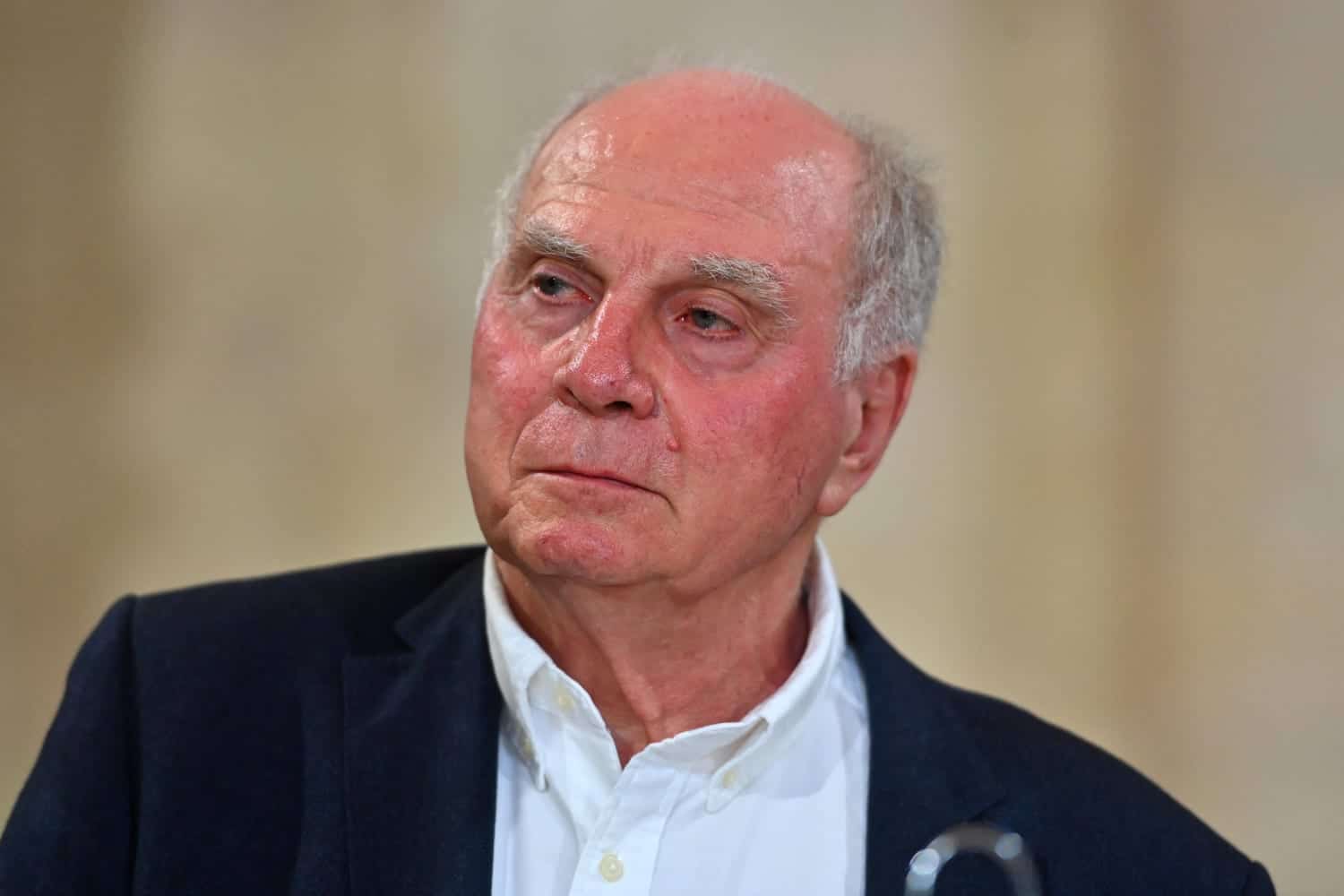
It was sparked by Uli Hoeneß. “But whether he’ll ever regain the level of performance he once had…,” the honorary president explained on BR’s “Sonntags-Stammtisch.” He drew a connection between Musiala’s current form and his long-term contract. This was followed by assessments from Lothar Matthäus, Stefan Effenberg, and Markus Babbel. What began as a difficult health situation has thus turned into a public debate over his salary.
Of course, Bayern is entitled to consider the financial consequences of long-term absences. Club officials must assess how reliably they can plan with their players and what alternatives the roster needs. A contract running through 2030 is a major commitment. These questions don’t go away just because answering them is uncomfortable.
But what does the club gain by publicly linking these questions—of all things—to doubts about Musiala’s future right now? The player is currently working on getting back to playing soccer regularly. Any failure to deliver a standout performance could now be used as evidence that he no longer justifies his multi-million contract. That doesn’t create a helpful environment for his comeback.
According to information from the tz, Hoeneß’s statements are also viewed critically within the club. In particular, the public nature of his remarks is causing confusion. At the same time, Vincent Kompany is said to continue viewing Musiala as a decisive game-changer and to be backing him up. However, this support should now also be made public.
Musiala needs patience, not a salary review
Hoeneß’s statements must be viewed in their full context. He did not announce the termination of Musiala’s contract. At the same time, his hypothetical example made it clear that Bayern must honor its obligations to the player. To accuse him of a blanket lack of support for Musiala would therefore be an oversimplification.



Nevertheless, the impact of his words remains. The question of Musiala’s former form and the reference to his salary now hang in the air side by side. The fact that Matthäus sees such statements as a possible source of motivation does not make them a meaningful way to support a comeback. An illness and recurring injuries cannot be overcome by publicly demanding better performance.
It’s also important not to conflate the various health issues. Musiala was most recently sidelined due to a muscle injury. His return to training initially addresses this absence. Just as little can be inferred about a long-term prognosis for his illness from this as can be from Hoeneß’s doubts.
His return to training is a step forward, but it does not yet guarantee that he will be in top form immediately. After a prolonged break, a player must regain his rhythm, stamina, and confidence. Musiala’s first appearances should therefore not immediately become a referendum on whether his contract extension was a mistake.
Reports about possible financial expectations on his part do nothing to change this either. According to *kicker*, Hoeneß would like to see some flexibility as long as Musiala is not fit to play. There are no reports of a specific demand or renegotiation. If there is a need for discussion, it should take place between the parties involved. Public speculation about the appropriate value of his contract certainly does not help Musiala as he makes his return.