
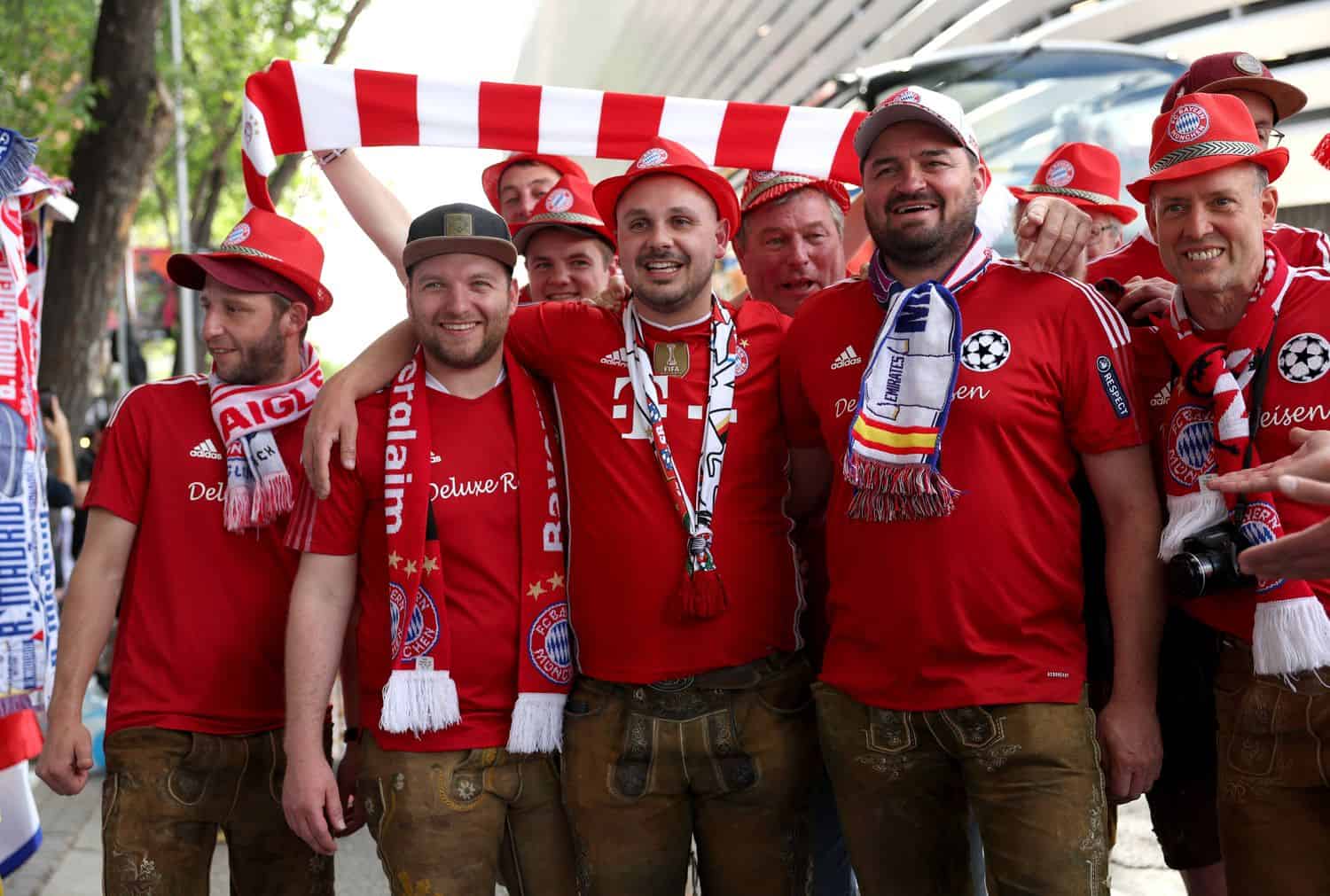
Why legs „close up“ so quickly, especially around soccer
A home game, a late away kick or a Champions League night that doesn’t end until after midnight: many fans know that heavy, tired feeling in their legs, even though they’ve „only“ stood, walked, clapped and cheered. It’s no wonder. Standing for long periods slows down the return flow of blood from the legs, plus there’s crowding on the steps, little space to stretch out and often a mix of heat, alcohol or too little water. In the end, the walk to the subway suddenly feels like extra time
Many people feel the same way on long car journeys or train journeys to away games. Sitting with bent knees, little movement and dry air are classics for „thick ankles“. Even those who regularly go jogging or play in a club will notice after intensive sessions: calves feel tight, feet are warm and the day after starts tougher than planned. This is exactly where compression comes into play as an everyday helper
Compression made simple: systematic pressure instead of „tight socks“
Compression socks are no ordinary sports socks, just tighter. The key point is the graduated pressure: strongest at the ankle, decreasing towards the top. This supports venous return and can help to reduce the feeling of heaviness in the legs. Many people feel the effect quite quickly, especially after long periods of sitting, standing or on travel days, when the legs otherwise tend to „swell up“
Compression is also practical because it can be integrated unobtrusively into routines. An example from everyday life: if you commute to work in the morning, then go straight to training or to the stadium in the evening, you hardly have time for extensive regeneration. Compression is then like a small, silent co-trainer that provides support during the day instead of repairing afterwards. If you would like to get an overview, you can find more information at STOX compression stockingswhich shows how differently compression can be thought of in the context of sport and everyday life
When compression is particularly useful and when it is not
Match day and stadium: stand a lot, move little
Standing places, long queues, narrow stairs: the circulation in the legs gets little „pump“ from active calf work. Compression can help here because it supports the return flow while you remain relatively static. Anyone who has a long journey home after the game benefits twice over because sitting after standing for a long time often increases the heaviness
Away trip: train, car, flight
When travelling, the mixture of lack of movement and loss of fluids is the main enemy. Compression is often used to reduce travel discomfort. A small tip that sounds simple but makes a big difference: stand up briefly every 45 to 60 minutes or take a few steps in the corridor, drink water and keep actively putting your feet on and stretching them while seated
Training and regeneration: not just for „marathon types“
Even though compression is often associated with long distances, many people use it for intensive units: interval runs, soccer training with lots of changes of direction or longer bike rides. Some wear compression during sport, others afterwards, for example on the way home or at home in the evening. What suits you best is up to you, the decisive factor is how you feel: support yes, constriction no
When to be careful
In the case of certain pre-existing conditions, severe pain, numbness or noticeable swelling, compression should not be used „on suspicion“, but should be checked by a doctor. The wrong size can also cause problems. If toes are tingling, the skin is constricting or pressure points appear, this is a clear sign that the fit and application are not right
How to find the right compression without miscalculating
Size and fit: the most important lever
Compression is only effective if it fits correctly. This starts with the measurement: many people base their choice on the circumference of the ankle and calf, sometimes also on the length of the leg. If you are between two sizes, you should check particularly carefully which version fits your anatomy. A good fit feels stable, but not like a vice
Pressure class and intended use: everyday, sports or medical
Not all compression is the same. There are differences in pressure level, material and cut, depending on whether it is for sports, travel, everyday wear or medical indications. For everyday wear and sports-related applications, many people are looking for a balance between noticeable support and comfort so that they don’t get tired after two hours. If you are unsure, it is better to start moderately and test on a typical day, such as a long working day plus an evening game
Material and climate: important when it’s hot in the block
Depending on the weather, it can quickly become stuffy in the stadium, even in winter if you’re standing in a tight crowd. Breathable materials, clean seams and a comfortable cuff are not a luxury, but make the difference between „I’ll wear them again“ and „I’ll keep them in the wardrobe“. Also pay attention to how the fabric behaves in the shoe, as too much friction can cause blisters
Compression for women: what many people pay particular attention to
Many women want compression that is not only functional, but also looks good in everyday life and goes with different outfits. At the same time, the fit is often different because calf circumference, ankle proportions and leg length vary from person to person. If you are looking specifically, you can find the right compression socks for you at compression socks for womenvariants that are tailored to these needs without sacrificing sporting benefits
A typical scenario: a day at work, then straight to the game, then a walk around town. If compression squeezes, slips or cuts in at the cuffs, you’ll quickly lose interest. That’s why it’s worth looking not only at the look, but above all at the right size and how the sock feels over several hours
Everyday tips: how to integrate compression without drama
Making it easier to put on
Compression is tighter, that’s part of it. The easiest way to do this is in the morning when your legs have not yet „worked“. Prepare the stockings inside out up to the heel, pull them over your foot and then roll them upwards bit by bit instead of tugging wildly. If you stay calm while doing this, you gain time and protect the material
Combine with simple „leg routines“
Compression is not a magic trick, it works best when combined with movement and good basics. Three quick routines that are hardly noticeable: rocking on your toes while waiting, circling your feet while sitting and a short walk after the game before getting into the car. A simple rule: drink regularly instead of rushing to catch up in the evening
Care: so that the compression keeps its promise
Elastic fibers like it gentle. Wash according to the manufacturer’s instructions, not too hot, do not spin aggressively and avoid fabric softener, otherwise the elasticity will suffer. If you alternate several pairs, each one will last longer and you will always have a fresh pair ready for the next match day or the next trip
What you can realistically expect and how to recognize success
Compression is no substitute for training, sleep or smart recovery, but it can be a noticeable building block. Realistic signs are: legs feel less „leaden“ after long periods of standing, ankles swell less, and the transition from match day back to everyday life is more comfortable. Some notice it immediately, others only after a few uses, similar to new soccer boots that need to be broken in first
If you want to test it, do it like a tactical change: not all at once. Try compression on a clear occasion, such as a long train journey to an away game or a day with a lot of standing. This way you can compare whether your legs feel lighter in the evening and whether you need less „warm-up time“ the next morning.