

The ongoing injury crisis is causing massive problems for FC Bayern. In particular, the spate of muscle injuries is raising more and more questions. Several theories are now circulating about which factors might be contributing to the numerous absences at the German record champions.
Vincent Kompany has had to do without numerous key players for weeks. The personnel situation has recently worsened dramatically, especially on offense. With Harry Kane, Munich’s top scorer, out for several months after tearing his syndesmotic ligament, the situation is particularly dire.
The numerous muscle injuries are also a concern for those close to FC Bayern. Particularly alarming: Jamal Musiala’s injury flared up again against Lille.
As Sky reports, the 23-year-old suffered another torn muscle fiber in his thigh during the Champions League match against OSC Lille. According to the report, his previous injury has flared up again. The expected recovery time is four to six weeks.
On the BILD podcast “Bayern Insider,” soccer director Christian Falk and Bayern reporter Heiko Niedderer shared insights into their research on possible causes.
Too much sprinting and shooting practice at FC Bayern?
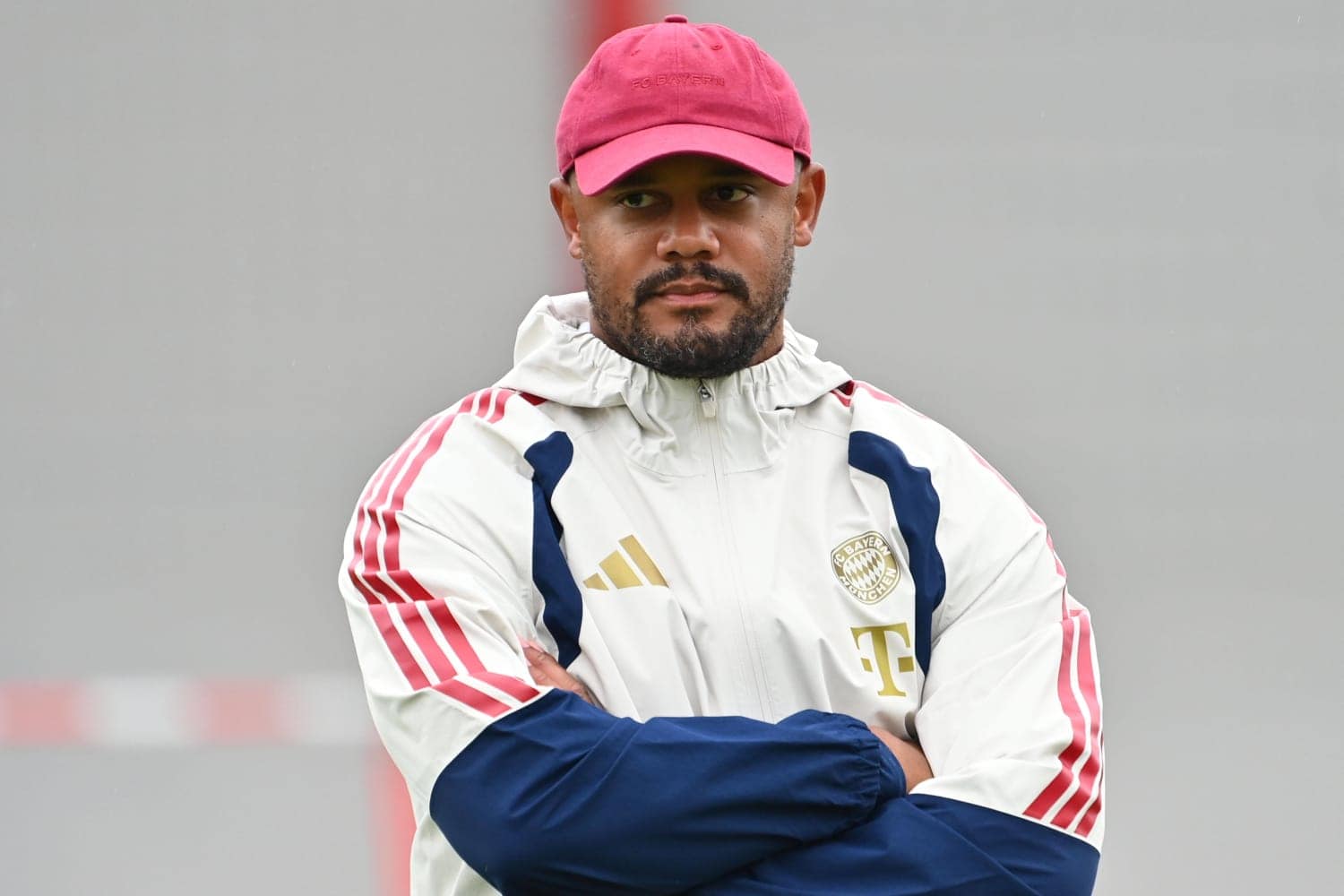
“There are a few theories we’re currently looking into. But it’s very, very difficult to back that up with hard medical facts,” Falk explained.
Renowned sports scientist Prof. Dr. Ingo Froböse from the German Sport University Cologne offers an interesting explanation. According to Niedderer, Froböse sees training management during the current season as a potential risk factor in particular. “He says there’s too much sprinting and shooting practice during the season. According to him, these are things that should be done before the season, but not during it,” the BILD reporter explained.



Especially given the numerous back-to-back match weeks, sufficient recovery periods are of great importance for the muscles.
Performance-enhancing substances are also under scrutiny
Falk also brought another theory into play. It concerns substances administered to players to make their muscles more supple. “This isn’t related to doping and is common in competitive sports. But apparently, they also make the players more susceptible to injury,” explained the BILD soccer editor-in-chief.
He did not specify exactly which substances were involved. According to the reporters’ account, there is as yet no medically substantiated link to the injuries at FC Bayern.
For Niedderer, the increasing physical demands of modern professional soccer represent a fundamental problem. “There’s always a very fine line between peak performance and vulnerability. The frequency of games is getting higher and higher, while recovery periods are getting shorter.”
One thing is certain: The Munich team is currently dealing with an exceptionally tight roster situation. Whether training protocols or other factors have actually contributed to the spike in muscle injuries, however, remains unclear.
Furthermore, not all injuries can be explained by potential muscular overexertion. Kane’s severe ankle injury, for example, resulted from a tackle.