
No other club has had such a lasting impact on German soccer as FC Bayern Munich. Whether Bundesliga record champions, Champions League winners or global brand – Bayern are far more than just a sports club. They are a phenomenon that connects generations, sparks debates and inspires fans all over the world. But how did a Munich city club become one of the most important soccer institutions in the world?
From foundation to Bundesliga power
FC Bayern Munich was founded on 27 February 1900 – by a handful of soccer enthusiasts who wanted to set themselves apart from the dominant MTV clubs of the time. The early decades were characterized by ups and downs. It was not until the 1930s that Bayern established itself as a serious force in German soccer. However, the decisive breakthrough came with the introduction of the Bundesliga in 1963. Under coach Zlatko „Slatko“ Čajkovski and later the legendary Tschik Cajkovski, Bayern formed a team that would shape Germany and Europe
The great era began in the 1970s: Franz Beckenbauer, Gerd Müller and Sepp Maier led the club to three consecutive European Cup victories (1974-1976). This core laid the foundation for the philosophy that still characterizes Bayern today: technical excellence, tactical discipline and a relentless will to win
Bundesliga dominance: a never-ending chase for records
With 34 German championship titles, FC Bayern is by far the most successful club in Bundesliga history. Particularly impressive: the run of eleven championships in a row between 2013 and 2023. This unprecedented dominance earned the club international respect, but also raised critical questions internally: does Bayern’s supremacy harm competition in the Bundesliga? Many fans of other clubs think so. And yet – the sporting standard set by Munich forces the competition to develop further
If you want to keep an eye on the club’s entire development – from championship statistics to the latest squad news – fcbinside.de is a comprehensive point of contact for all things FC Bayern Munich – with analyses, transfer rumours and background reports directly from the Bundesliga. At the same time, many fans are not only interested in sport, but also in entertainment and digital trends – for example through a comparison of casinos on WiniSpini, which provides an overview of modern online offers and their special features
Champions League: happiness, pain and triumph
On the European stage, FC Bayern has won the trophy six times – most recently in 2020 in the so-called „Final Eight“ tournament in Lisbon, when Hansi Flick’s team won the title with a 1:0 final against Paris Saint-Germain. Before that, 2012 in particular remains an emotional wound in the memory: the Champions League final took place in their own Allianz Arena, but Bayern lost on penalties to Chelsea FC. This defeat, which became popularly known as the „home final“, showed that even the best clubs in the world are not immune to drama
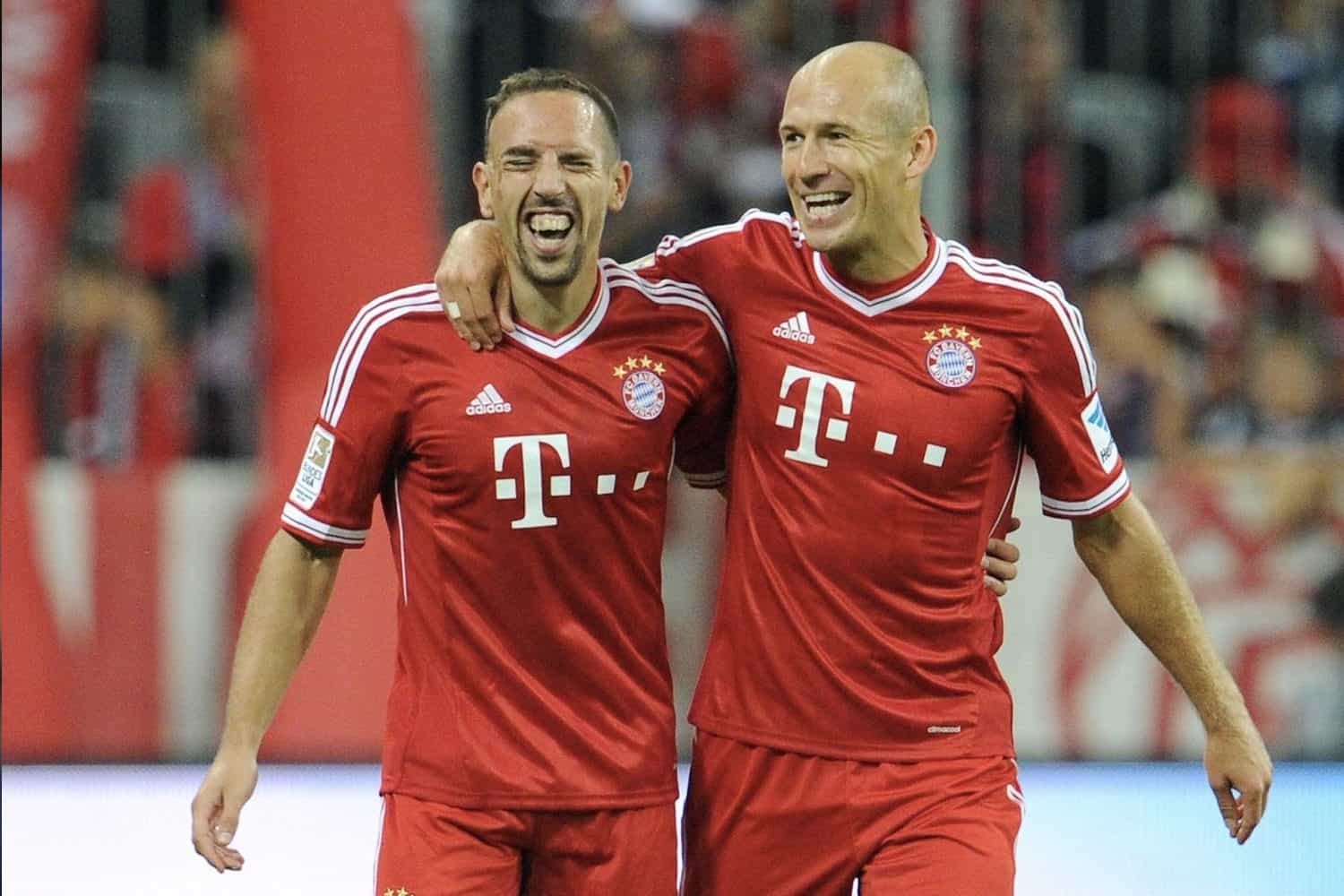
The club’s consistent presence in the latter stages of the Champions League is no coincidence; it is the result of a clever transfer policy, excellent work with young talent at the FC Bayern Campus and the ability to sign and integrate world stars – from Ribery and Robben to Robert Lewandowski and Harry Kane
Transfers and squad planning: How Bayern shapes the market
For FC Bayern, the transfer market is always a reflection of its sporting ambitions. In recent years, the club has made targeted investments in its attack. The signing of Harry Kane in the summer of 2023 for over €100 million was a signal that Bayern also wants to play at the top internationally. Kane delivered historic results in his first season with over 40 Bundesliga goals – and yet the big European success did not come at first
Squad planning remains a balancing act: younger players with development potential such as Jamal Musiala stand alongside experienced world-class players. The FC Bayern Campus as a training facility also regularly produces talented players who either make the leap into the professional team themselves or earn millions on the market
The fan base: a community beyond borders
With over 350,000 members, FC Bayern is one of the largest sports clubs in the world. The fan base extends from Munich across Germany to Asia, America and Africa. There are fan clubs on every continent. This global reach is no coincidence: Bayern invests in international marketing campaigns, summer tours and cooperations with local partners in order to tap into new markets
At home, the bond is particularly deep. Anyone entering the Allianz Arena on a match day immediately senses that soccer is more than just sport here. It is community, ritual and identity. The atmosphere in the stadium, the choreos in the south curve, the chanting duels between home and visiting fans – all this makes the match day a unique experience
Conclusion: FC Bayern – always in the conversation, never to be stopped
FC Bayern Munich is more than just a soccer club. It is a mirror of German sport, its possibilities, its contradictions and its passion. Its history stretches back over 120 years, the future is open – but one thing remains certain: Bayern will always be part of the conversation. Whether in transfers, title races or tactical debates, the record champions polarize, inspire and fascinate – and that is precisely what makes them unmistakable.