Vincent Kompany is riding a wave of success at FC Bayern, a development that has not gone unnoticed internationally – especially at Manchester City
As the English Telegraph reports, there is growing concern among those in charge of the Sky Blues that Pep Guardiola could leave the club next summer. After around ten years on the sidelines, Manchester City would then be facing a profound upheaval. In order to be prepared for this scenario, the club is said to have already drawn up a shortlist of potential successors
According to the report, three names are currently in the spotlight. Enzo Maresca, who most recently coached Chelsea FC, is considered the top favorite. Xabi Alonso, who most recently worked at Real Madrid, and Cesc Fabregas, currently coach of Como Calcio, are also being considered as candidates
However, as BILD head of soccer Christian Falk now reports, Vincent Kompany could also play a role in Manchester City’s thoughts. The Belgian is still held in high regard by his former club and is „highly regarded by everyone“ for his work in Munich. In view of his development as a coach, it is „only logical“ that Manchester is considering a possible return of the club legend
Kompany knows the club like no other. As a player, he played 360 competitive matches for Manchester City, won numerous titles and captained the club at times. His identification with City is undisputed – as is his growing reputation as a coach
FC Bayern ties Kompany down for the long term
Nevertheless, the chances of a move to England are considered extremely slim. According to the report, it is „very likely“ that Kompany will remain loyal to FC Bayern. In addition, the 39-year-old is currently said to have „no interest“ in continuing his coaching career in the Premier League
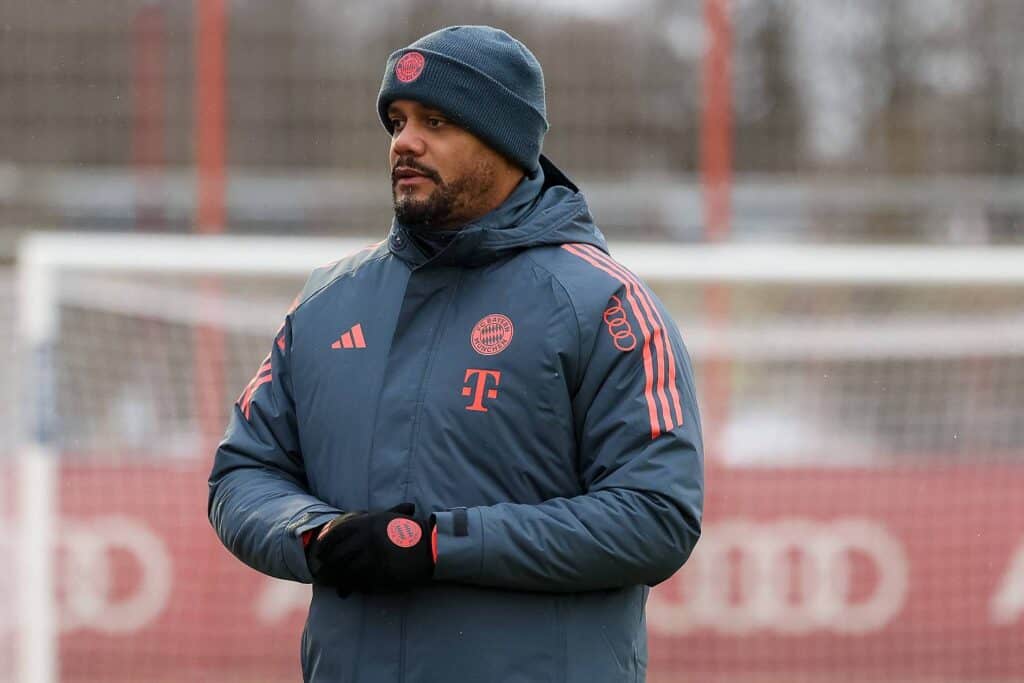
The fact that Manchester City could in principle develop an interest in Kompany was something that the Bayern management had obviously taken into account at an early stage. This was one of the reasons why the record champions signed the coach to a new contract in October 2025 until the end of June 2029. In doing so, Munich created clear conditions and sent a strong signal both internally and externally.