

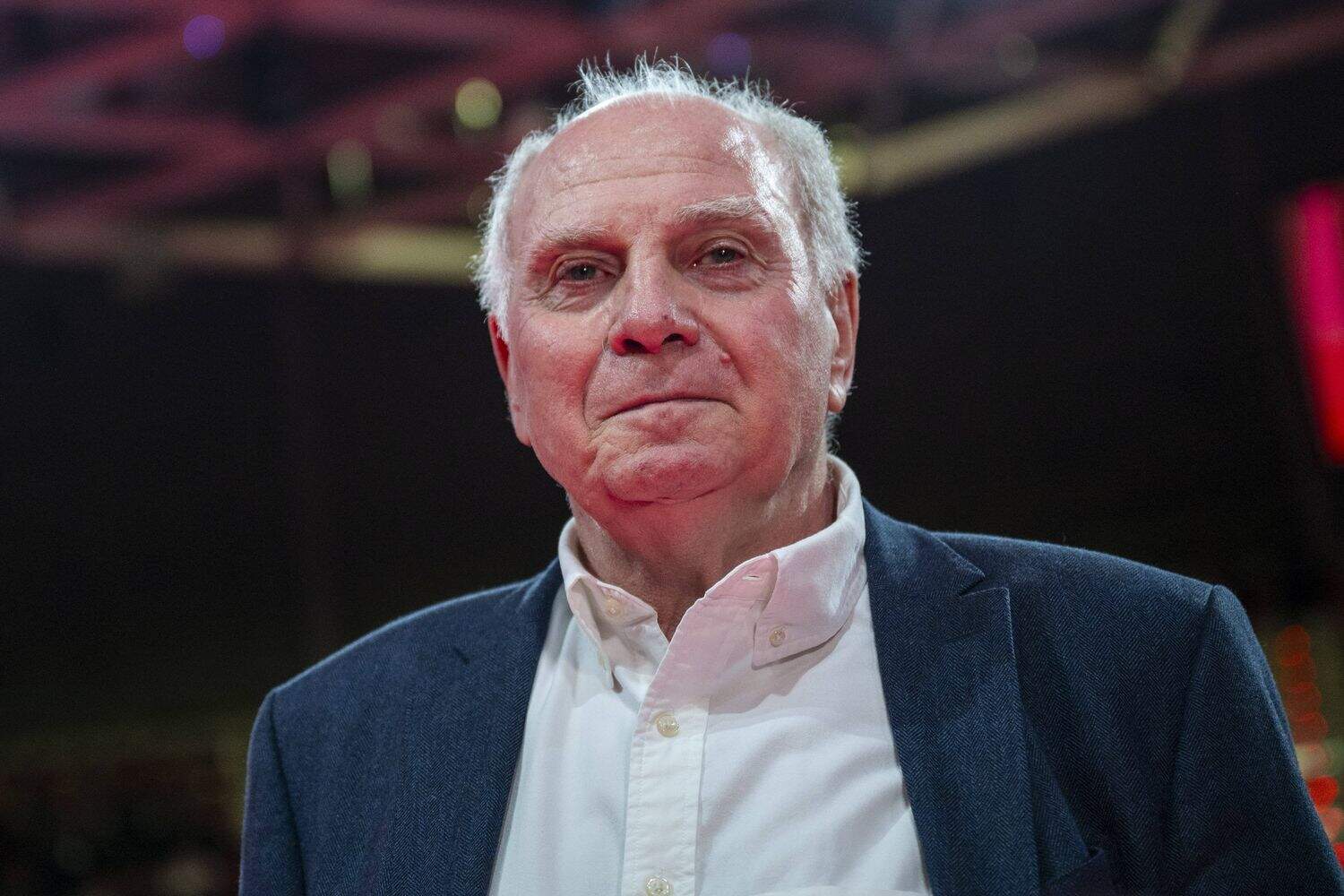
Uli Hoeneß sparked a lively debate with his recent statements in the „OMR Podcast“. The honorary president of FC Bayern put forward the theory that top players of today’s generation would have little motivation to take on a full-time job like that of Bayern boss after their career due to their enormous merits. For Oliver Kahn, who himself was CEO of the record champions until 2023, however, this view is too sweeping – and simply wrong.
Hoeneß argues that former professionals like himself still felt the pressure to continue working after the end of their careers in order to maintain their standard of living. „Top players today have 60, 70 million in the bank. They lack the pressure,“ said the 73-year-old. As an example, he referred to his own years at Säbener Strasse – characterised by working days of up to twelve hours. A mentality that he believes many current professionals lack.
But Oliver Kahn did not want to accept this blanket criticism. In the Sky programme„Triple – der Hagedorn-Fußballtalk“, the former goalkeeping titan answered surprisingly clearly: „I don’t want to jump over every stick from Uli Hoeneß, but: Anyone who has 60 million in their account as a former player no longer works anything? What kind of relationship is there between a bank balance and motivation?“ For Kahn, the argument is simply not logical.
Kahn clarifies: Entitlement remains – regardless of wealth
Kahn refuted the insinuation that ex-professionals no longer take on management jobs out of convenience, saying that what is much more important for this generation is their own aspirations – not their financial cushion. „I believe that everyone who was once a top player still has high aspirations,“ he emphasised, adding that many of his former colleagues consciously seek management responsibility after their active career in order to take on new challenges.
Hoeneß, on the other hand, believes that this ambition is often lacking. For him, it is „difficult these days to find someone who was a top player for ten years and then accepts this top job for much less money“. An indirect indication of why former club icons – such as Philipp Lahm or Bastian Schweinsteiger – never made the move to the Munich boardroom.